Triaxial Fiberglass Felt & Mesh Composite Fabric manufacturers
Triaxial Fiberglass Felt & Mesh Composite Fabric suppliers
Triaxial Fiberglass Felt & Mesh Composite Fabric factory
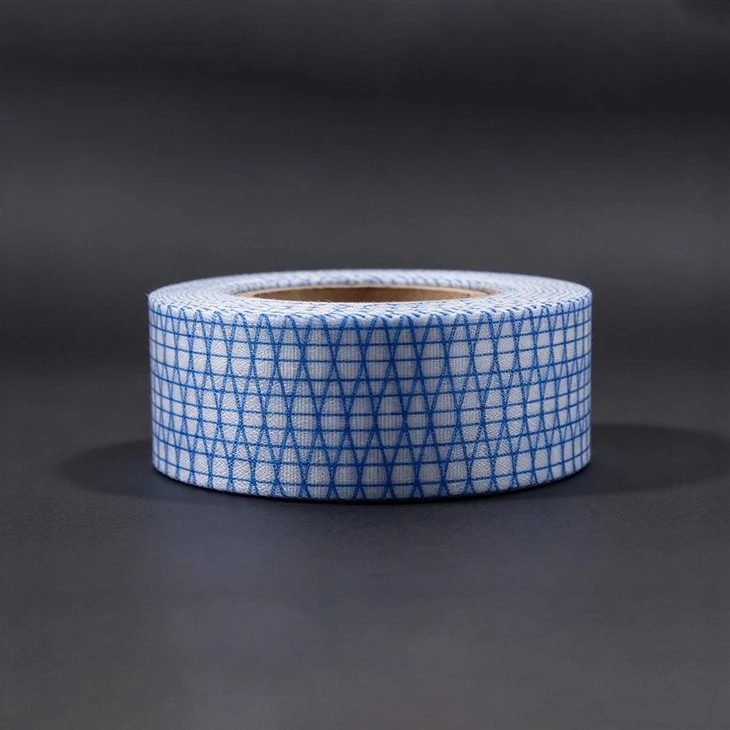
Triaxial Fiberglass Felt & Mesh Composite Fabric best
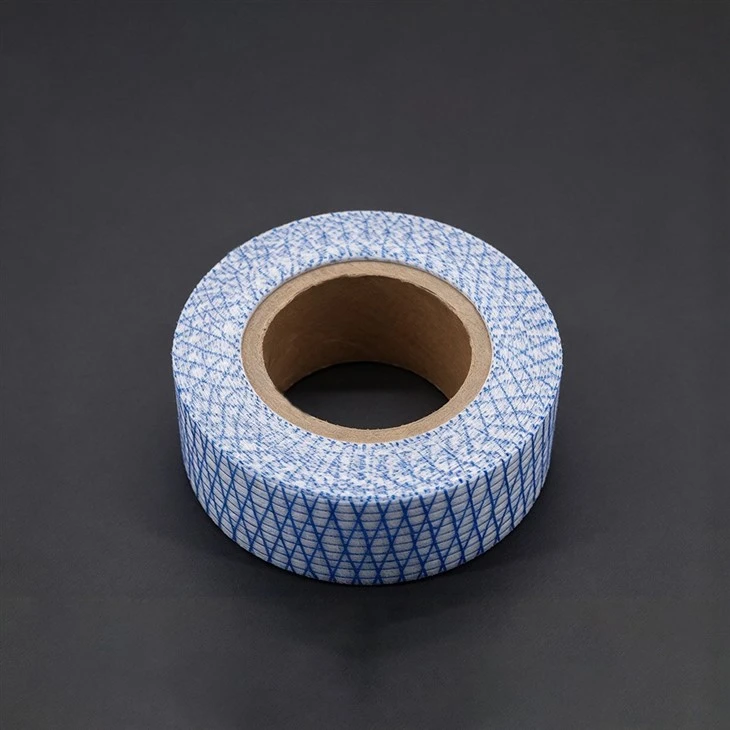
Triaxial Fiberglass Felt & Mesh Composite Fabric high quality
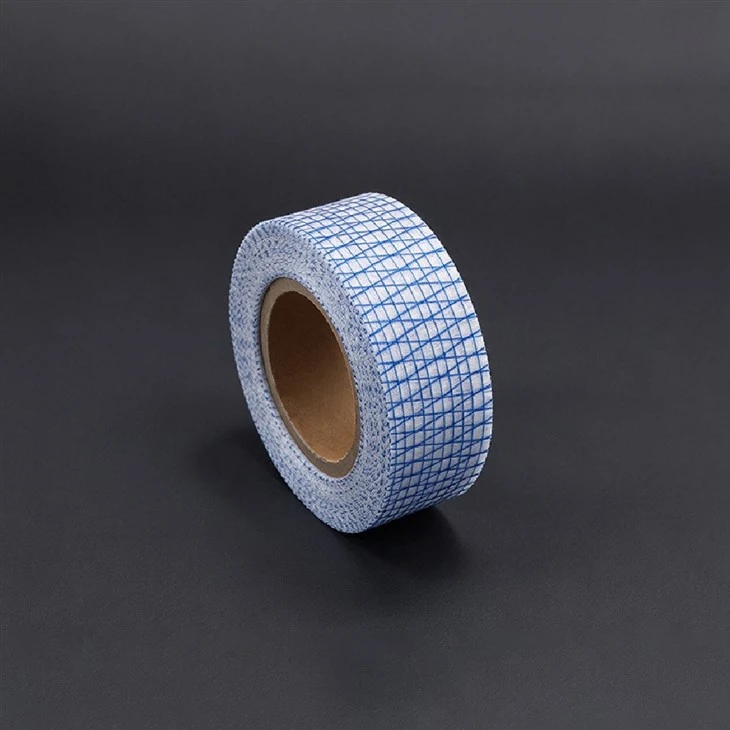
Triaxial Fiberglass Felt & Mesh Composite Fabric price
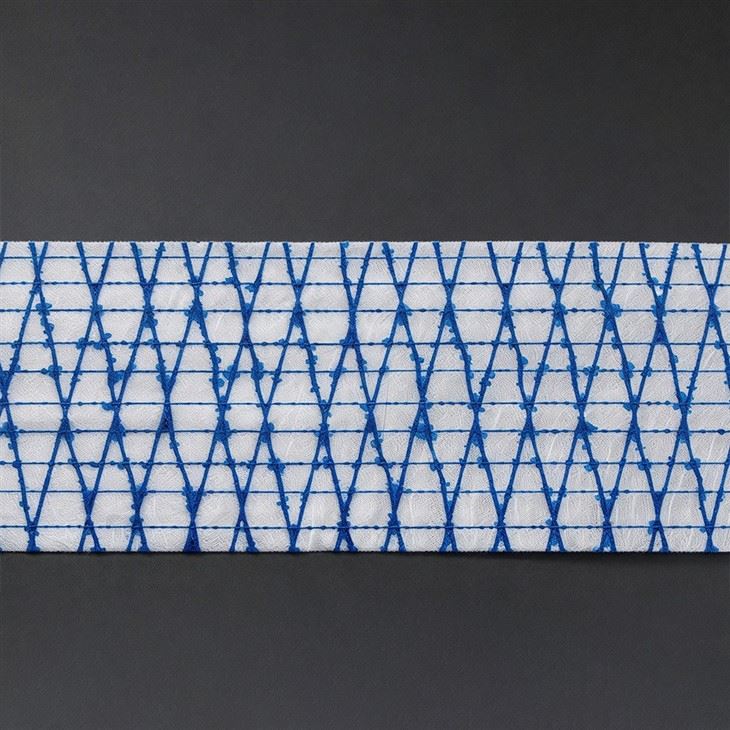
Triaxial Fiberglass Felt & Mesh Composite Fabric best
Triaxial Fiberglass Felt & Mesh Composite Fabric
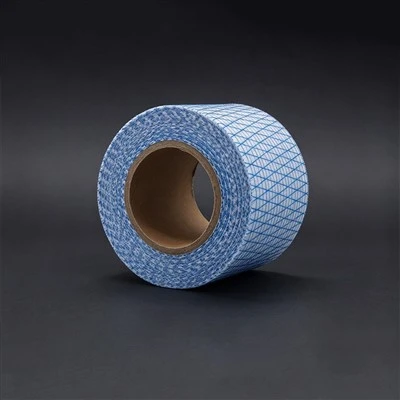
Triaxial Fiberglass Felt & Mesh Composite Fabric is a dedicated reinforcement composite for waterproofing. It balances rigidity and flexibility while resisting deformation and delamination, far outperforming single-material alternatives.
Description
Product Information
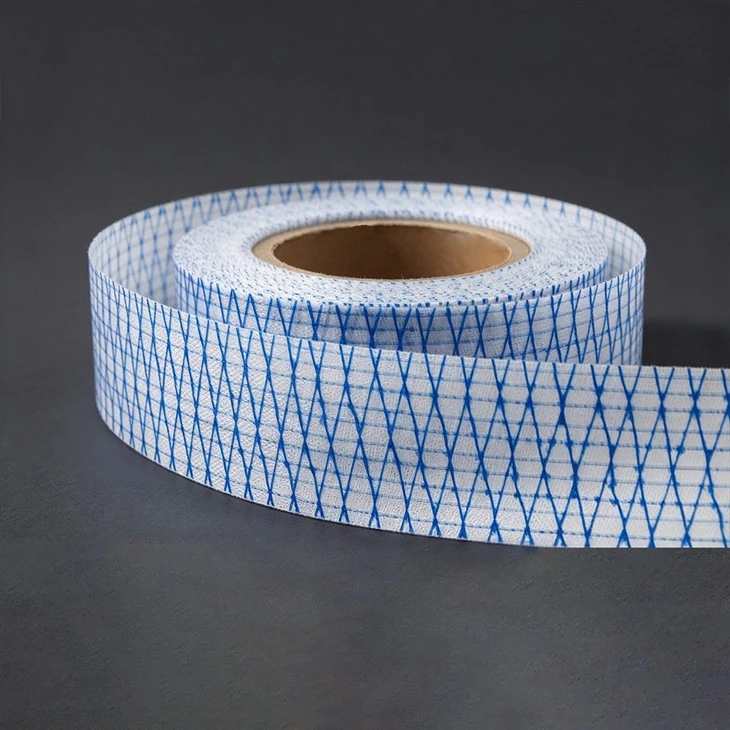
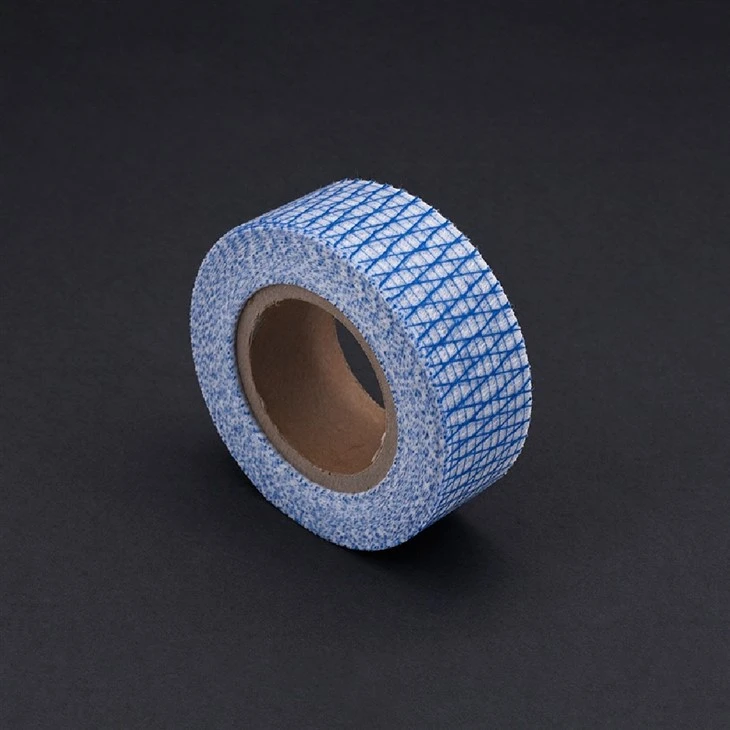
GALAXYFIBER Triaxial Fiberglass Felt & Mesh Composite Fabric combines fiberglass mat (providing a uniform impregnation matrix and isotropic reinforcement) and woven fiberglass cloth (providing a high-tensile warp and weft skeleton). The all-fiberglass system delivers extremely high tensile strength, absolute dimensional stability, and superior high-temperature and weather resistance. It is widely used for membrane overlap sealing, fine crack bridging, detail reinforcement at pipe roots and corners, and local repair in high-demand waterproofing projects.
Key Features for Mosaic Tile Applications
- All-fiberglass system, ultimate dimensional stability. The combination of fiberglass felt and mesh undergoes virtually no shrinkage or stretching during heating and bitumen impregnation, ensuring absolute flatness and preventing edge curling during application.
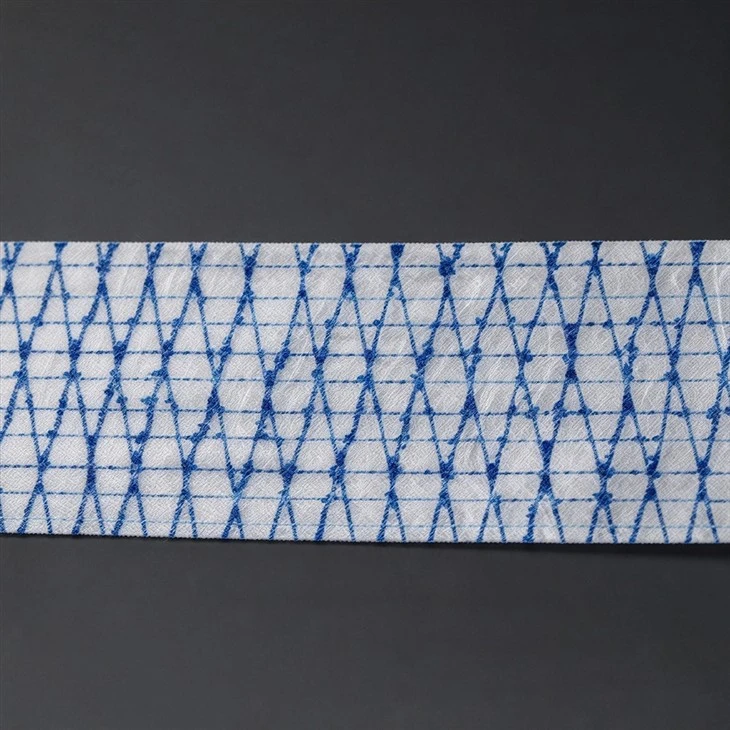
- Multi-directional reinforcement, no weak diagonals. The mesh is distributed at 0°, +75°, and −75°, dispersing tensile and shear stresses across three axes and effectively preventing the deformation concentration and tearing that conventional biaxial meshes exhibit under diagonal loading.
- Ultra-high tensile strength and rigid skeleton. The fiberglass mesh provides strong multi-directional tensile capacity, while the felt provides uniform mechanical reinforcement. The composite withstands extreme mechanical and substrate cracking stress.
- Superior high-temperature and weather resistance. Made of pure inorganic fiberglass, it not only withstands high-temperature impregnation of modified bitumen but also exhibits excellent corrosion and aging resistance under long-term UV, humidity, and heat conditions, ensuring a long service life.
- Rapid impregnation and no bitumen leakage. The porous structure of the fiberglass felt provides abundant penetration channels for bitumen. This ensures firm bonding with the mesh skeleton; the felt layer covers the mesh, effectively preventing bitumen leakage and mesh imprinting during construction.
Product Type
| Item | Description |
| Structure | fiberglass mat + fiberglass mesh (0°/+75°/−75° tri-directional) |
| Form | Roll form, width 50 mm |
| Bonding | Composite impregnation with hot asphalt/modified bitumen, or used according to the waterproofing system process |
Products Applications
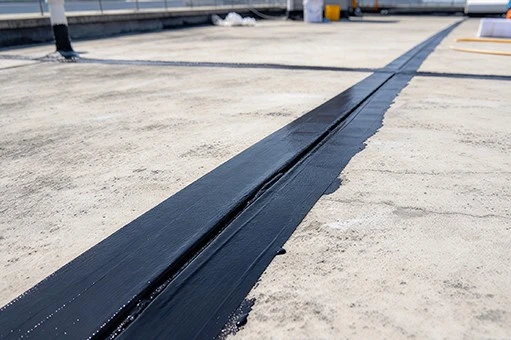
Sealing and reinforcement of membrane lap edges
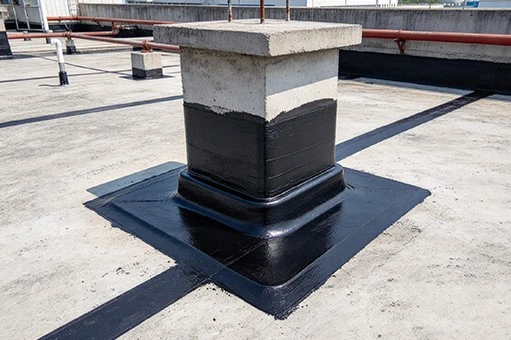
Localized reinforcement at complex junctions
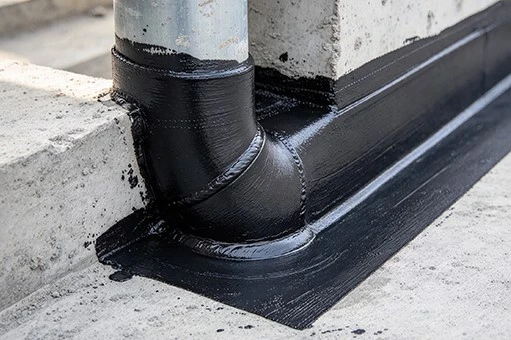
Spot repairs for heavy-duty waterproofing projects
Usage Precautions
- Bitumen temperature control. To ensure impregnation, hot asphalt temperature must be controlled within the process range (typically 160-180°C).
- Edge protection. The mesh edges are relatively rigid and may have slight fraying after cutting. Use hot-melt or special tools to press them flat during construction to avoid scratches.
- Avoid excessive folding. All-fiberglass materials are rigid. When applying at corners, it is recommended to cut and overlap. Excessive sharp folding may cause internal fiberglass breakage, affecting local strength.
- Centered application. When bridging cracks, ensure the crack or overlap is centered under the tape to guarantee sufficient coverage on both sides.
Product Components
Fiberglass felt acts as a matrix, providing impregnation channels.
Triaxial fiberglass mesh acts as a strong skeleton, providing multidirectional tensile strength.
Quality Control
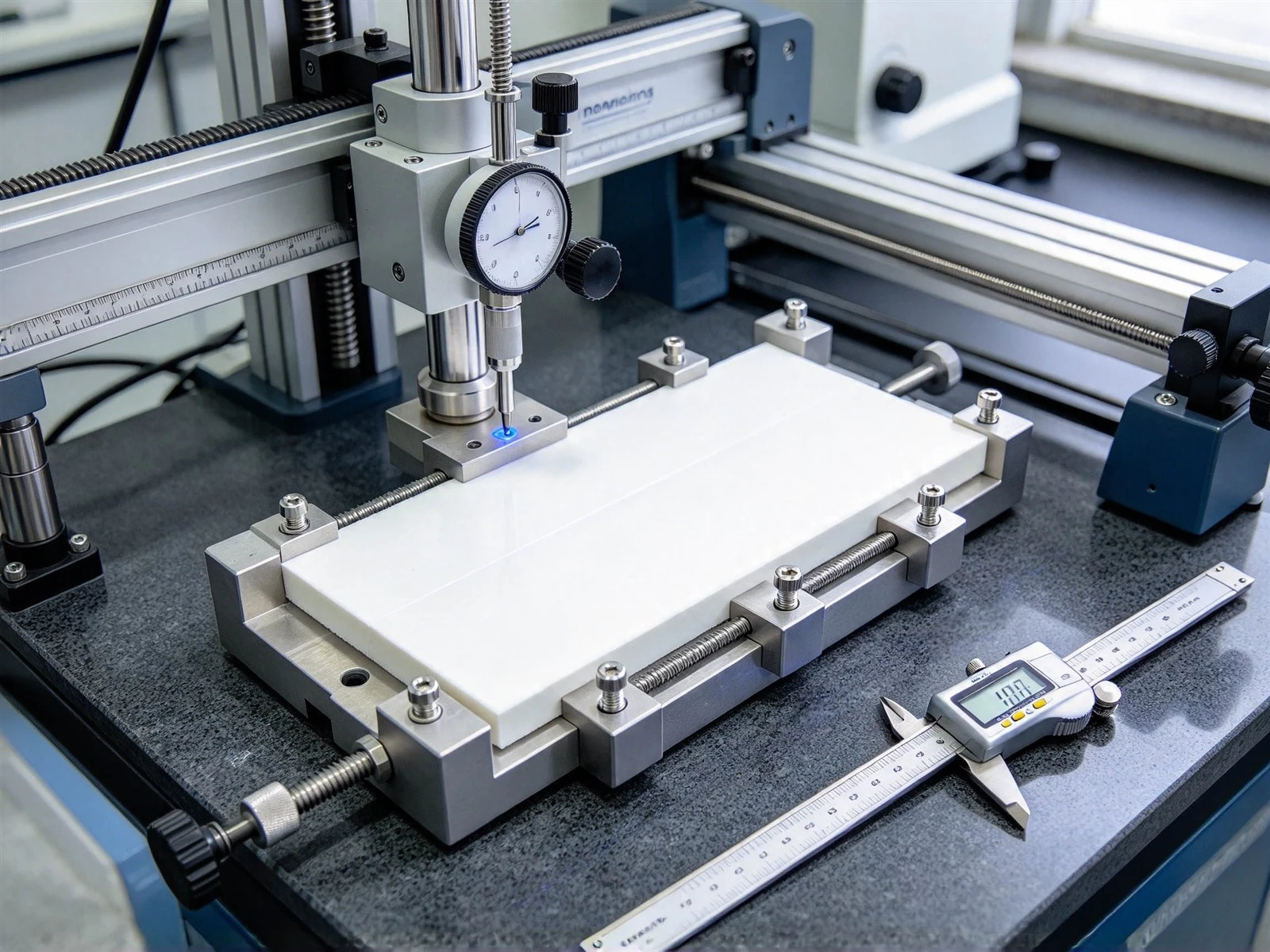
Mass per unit area deviation
Multi-directional tensile breaking strength
Composite bonding (anti-delamination)
Impregnation
Mesh distribution uniformity, width deviation, and slitting flatness.
Packaging and Transportation
Roll packaging, wrapped in plastic film for moisture and rain protection. Avoid heavy pressure causing deformation during transportation. Fiberglass materials must be protected from sharp objects puncturing the packaging.
FAQ
Q1: Is the all-fiberglass material too brittle and prone to breaking during construction?
A: It is indeed more rigid than polyester. However, after bitumen impregnation, the felt absorbs bitumen and softens, while the mesh provides the skeleton. The flexibility is greatly improved, fully meeting installation requirements. Just avoid "sharp folding" it.
Q2: What is the practical significance of the triaxial (0°/+75°/−75°) mesh structure?
A: Conventional biaxial mesh lacks skeleton support in the diagonal direction when subjected to diagonal pulling (such as uneven membrane tension or irregular roof deformation). The triaxial distribution disperses stress across three axes, meaning fiberglass mesh bears the load regardless of the pulling direction, greatly reducing the risk of tearing.
Q3: What if there is slight fraying at the edges during construction?
A: Slight fraying at the edges of cut fiberglass mesh is a normal physical phenomenon. On-site, the bitumen will encapsulate it, or you can slightly melt the edge with a hot air gun or hot bitumen to fix it.
Q4: Can the all-fiberglass system be used in basements?
A: Highly suitable. Inorganic fiberglass materials are mold-resistant, moisture-resistant, and immune to most chemicals, offering excellent weather resistance in humid and complex underground environments.
Q5: How to choose between this and your other "Polyester + Fiberglass" product?
A: Choose all-fiberglass if you require extreme strength, heat resistance, and dimensional stability (heavy-duty membranes, high-temp environments). Choose the polyester composite if you prioritize conformability and deformation buffering (complex details, old roof renovations).
Q6: Can it replace traditional fiberglass mesh tapes?
A: Yes, with better results. Traditional mesh only bears force in warp and weft directions and has severe bitumen leakage. This composite tape features a triaxial load-bearing skeleton covered by a felt layer, preventing leakage, distributing stress more evenly, and providing stronger bitumen grip and better sealing.
Q7: Is tension control difficult for this all-fiberglass composite on the production line?
A: Not difficult; it's actually easier. Because all-fiberglass has virtually zero elongation, once the initial tension is set, it remains very stable throughout the production line. Unlike polyester, it won't stretch when heated or shrink when cooled, which helps increase production line speed.
Q8: What certificates do you have?
A: CE, SGS, and other certifications available upon request.
Q9: How long does delivery take?
A: Within 15–25 days for one 20' container.
Q10: Can you provide samples?
A: Yes, free samples available for quality evaluation.
Cooperation Process


Triaxial Fiberglass Felt & Mesh Composite Fabric: high tensile strength, superior heat resistance, and bitumen leakage-resistant – the ideal reinforcement composite for heavy-duty membrane manufacturing, overlap sealing, and local detail reinforcement.
Hot Tags: triaxial fiberglass felt & mesh composite fabric, China triaxial fiberglass felt & mesh composite fabric manufacturers, suppliers, factory, fibafuse corner tape, fibafuse joint tape, fibafuse max tape, fibafuse roll, Glass Fiber Joint Tape, glass fibre joint tape
Send Inquiry
You Might Also Like