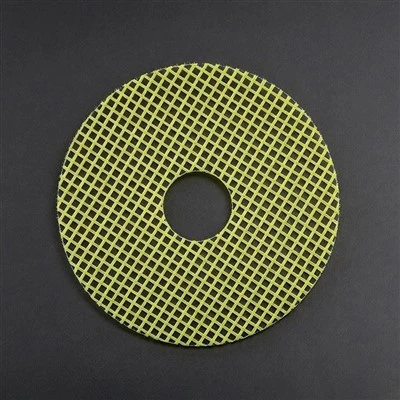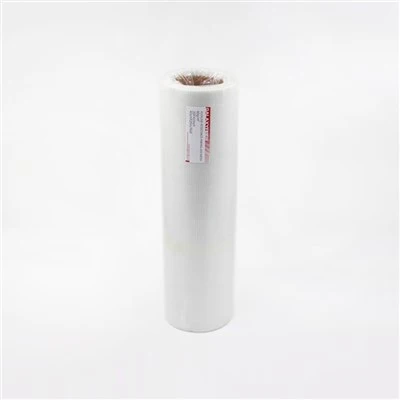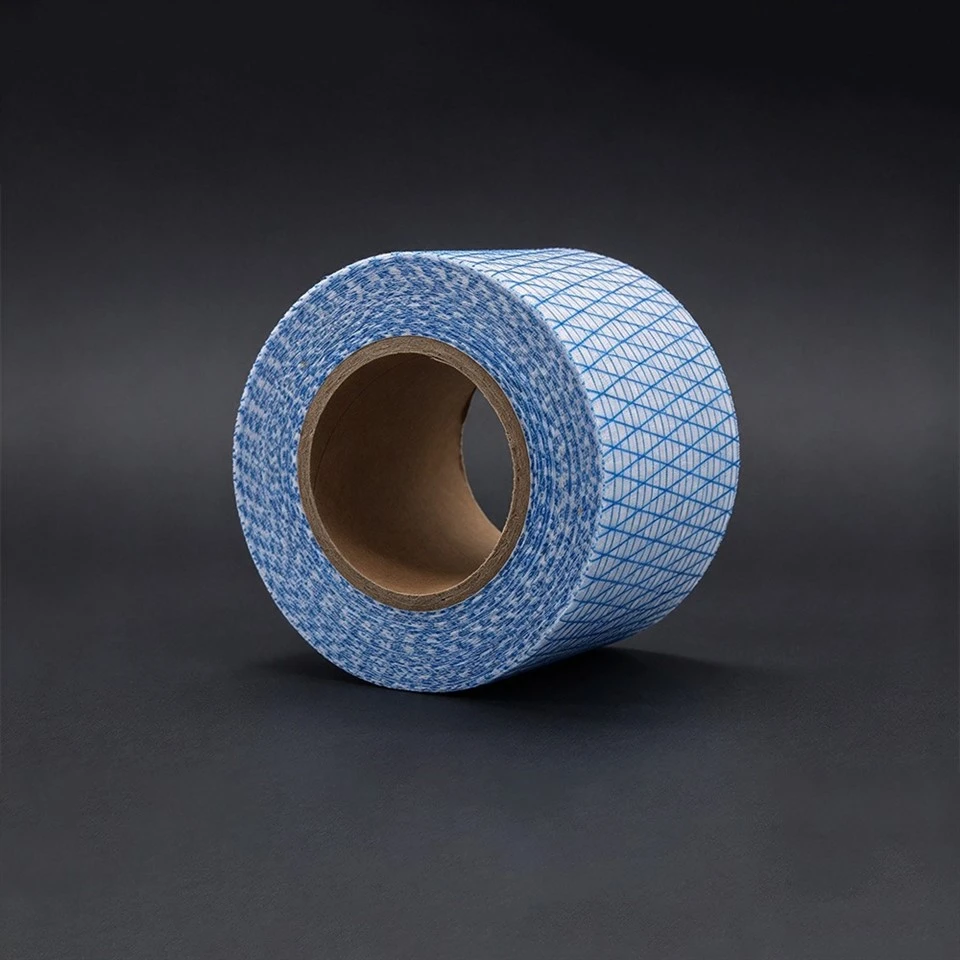
Triaxial Polyester Felt & Fiberglass Mesh Composite Fabric manufacturers
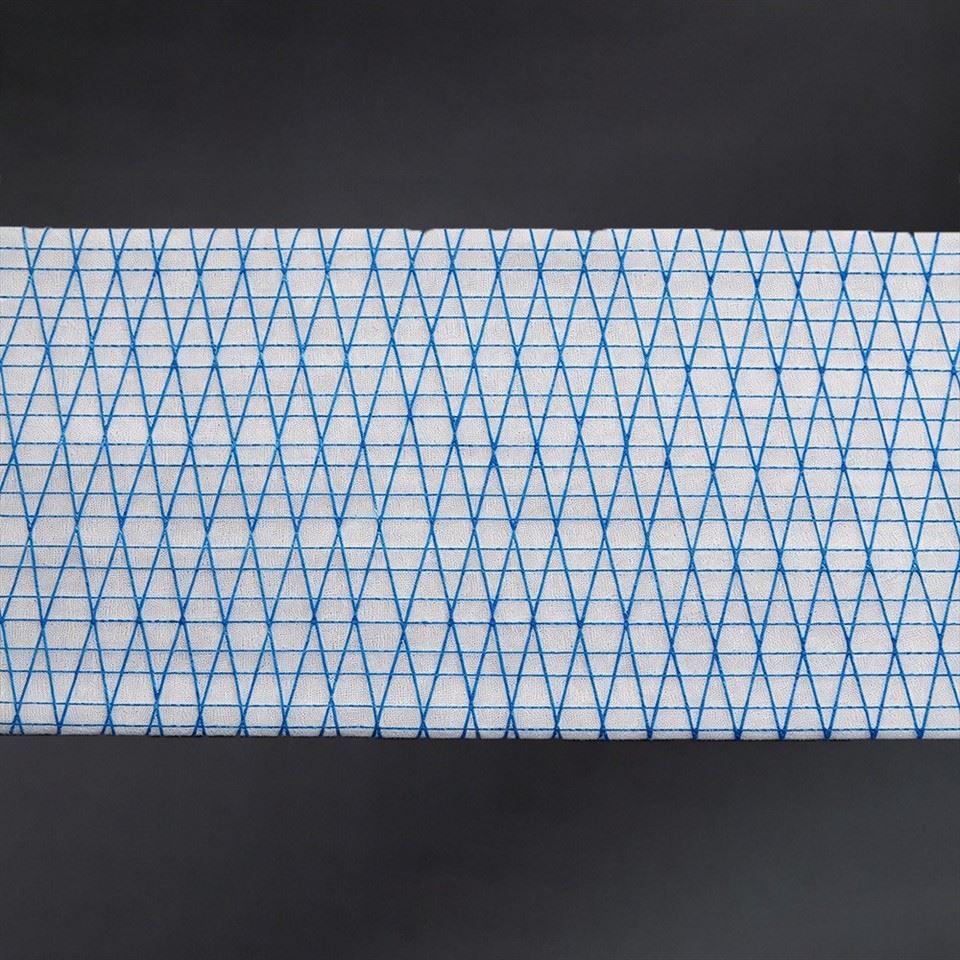
Triaxial Polyester Felt & Fiberglass Mesh Composite Fabric suppliers
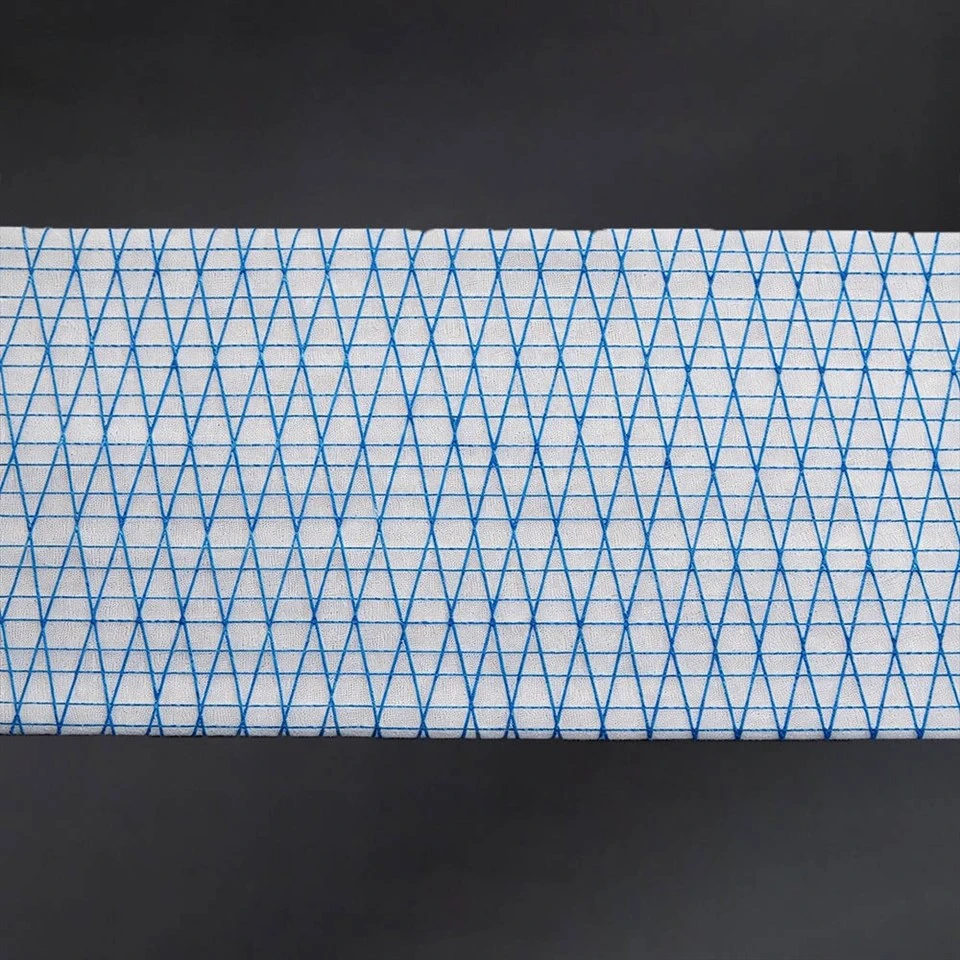
Triaxial Polyester Felt & Fiberglass Mesh Composite Fabric factory
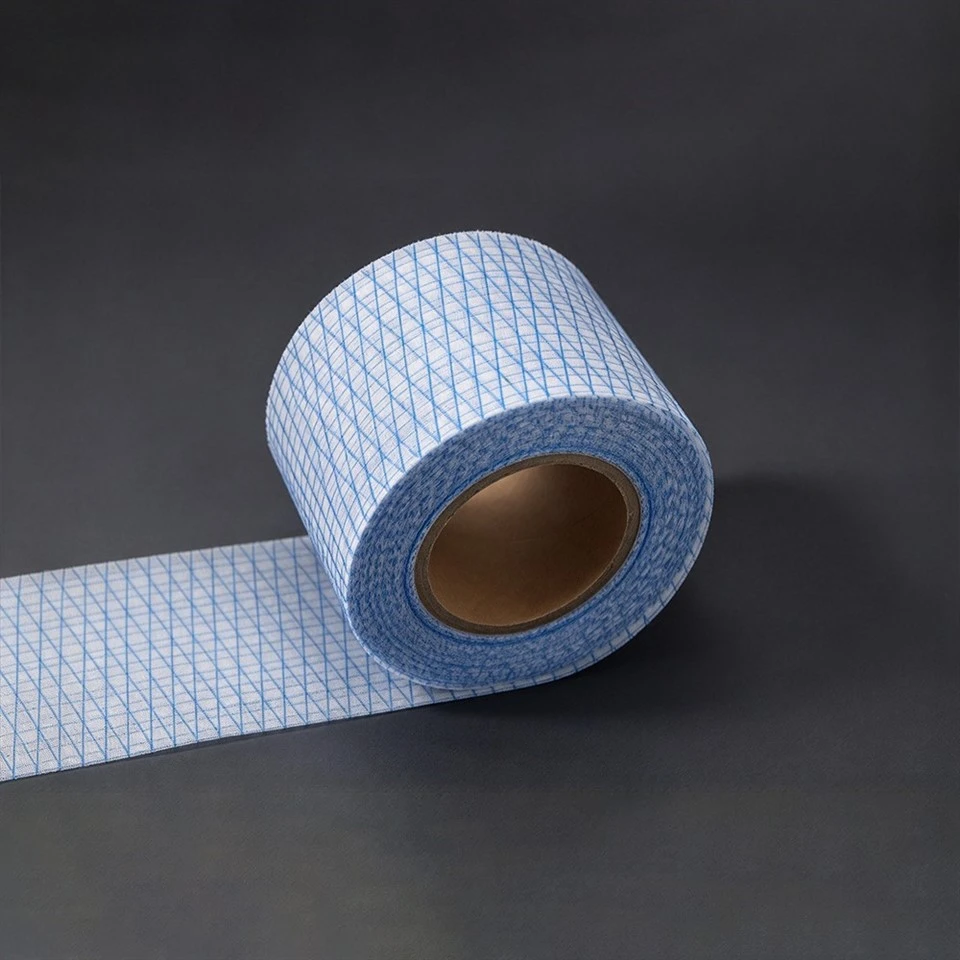
Triaxial Polyester Felt & Fiberglass Mesh Composite Fabric best
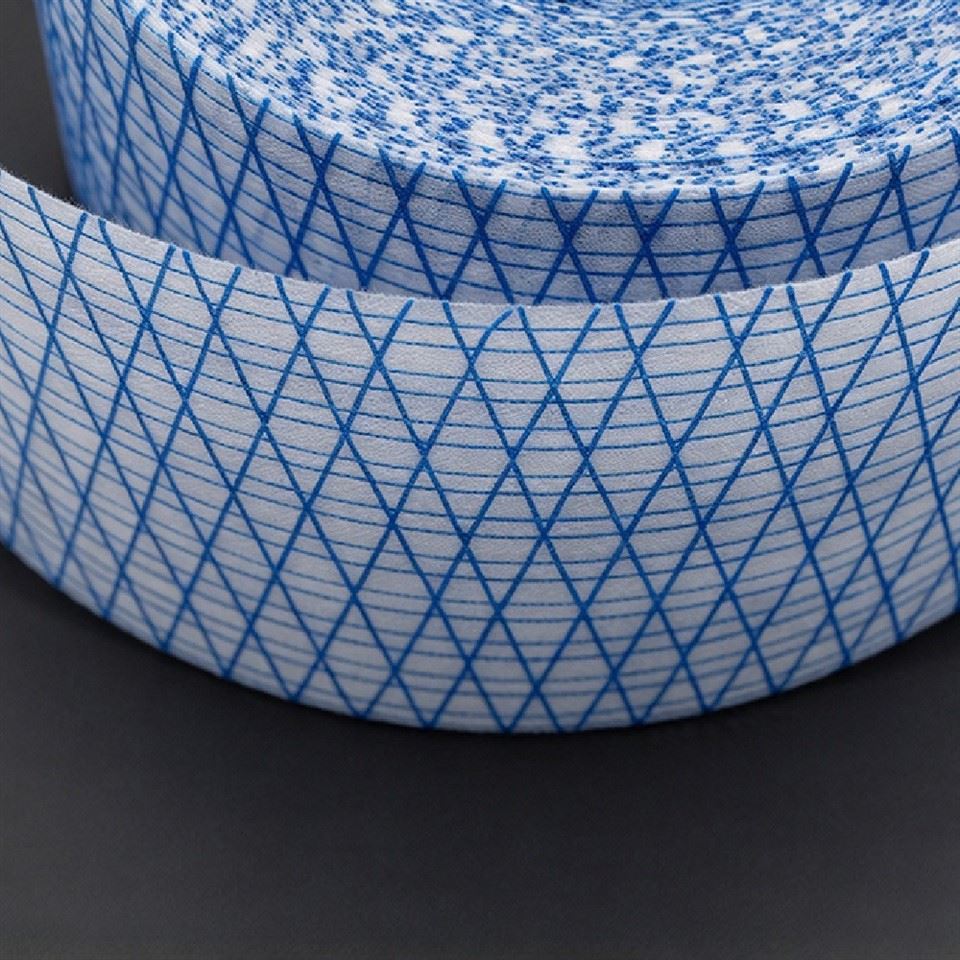
Triaxial Polyester Felt & Fiberglass Mesh Composite Fabric high quality
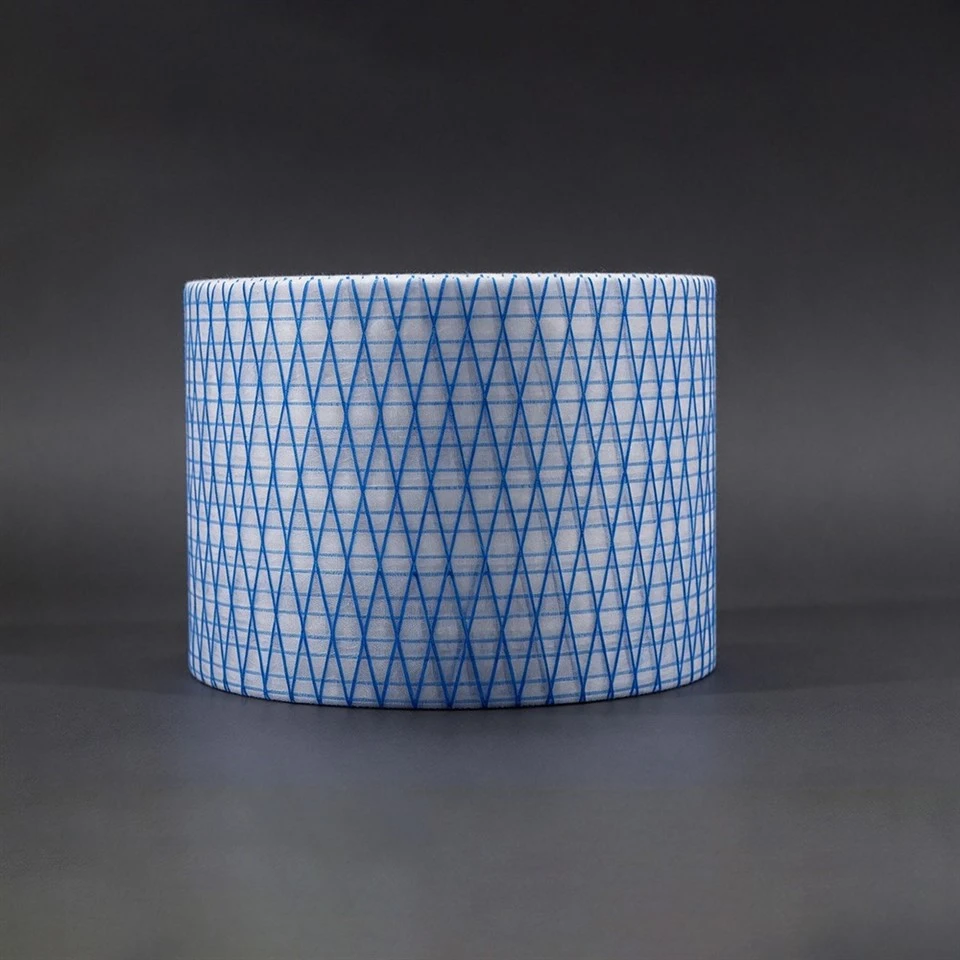
Triaxial Polyester Felt & Fiberglass Mesh Composite Fabric price
Triaxial Polyester Felt & Fiberglass Mesh Composite Fabric
Triaxial Polyester Felt & Fiberglass Mesh Composite Fabric is a dedicated reinforcement material for waterproofing. It balances rigidity and flexibility, resists deformation and delamination, and outperforms single-material alternatives.
Description
Product Information
GALAXYFIBER Triaxial Polyester Felt & Fiberglass Mesh Composite Fabric combines the high elongation and bitumen affinity of polyester mat with the high strength and dimensional stability of fiberglass mesh. It is widely used for the reinforcement of modified bitumen waterproofing membranes, stone materials, and waterproofing reinforcement in buildings, roads/bridges, and underground works.
Key Features for Mosaic Tile Applications
- Balanced rigidity and flexibility, resistant to deformation and delamination. The fiberglass mesh provides high strength and dimensional stability, while the polyester mat provides high elongation and flexible conformability. The composite maintains integrity under external forces, temperature changes, and bitumen impregnation, overcoming the brittleness of pure fiberglass and the insufficient strength of pure polyester mat.
- Multi-directional reinforcement, with no weak diagonal direction. The mesh is distributed at 0°/+75°/−75°, dispersing tensile and shear forces across three axes. This reduces the excessive elongation and strain concentration that conventional biaxial meshes often exhibit under diagonal loading.
- Excellent bitumen affinity and thorough impregnation. The polyester mat has a strong affinity for bitumen. Hot asphalt or modified bitumen can quickly wet and penetrate the composite layer, forming a continuous, dense reinforcement–sealing system without weak, unimpregnated interfaces.
- Dimensional stability and high reinforcement efficiency. The fiberglass mesh acts as a skeleton constraint, limiting excessive shrinkage or stretching of the mat during heating and impregnation. The reinforcement layer remains flat and wrinkle-free during membrane production and application.
- Better performance than single materials. Compared with pure polyester mat reinforcement, it offers higher tensile strength and deformation resistance. Compared with pure fiberglass mesh, it offers better conformability and bitumen compatibility. The composite combines the advantages of both.
Product Type
| Item | Description |
| Structure | Polyester mat + fiberglass mesh (0°/+75°/−75° tri-directional) |
| Form | Roll form, width 100 mm |
| Bonding | Composite impregnation with hot asphalt/modified bitumen, or used according to the waterproofing system process |
| Applications | Membrane reinforcement, seam reinforcement, local reinforcement for building/road-bridge/underground waterproofing |
Products Applications
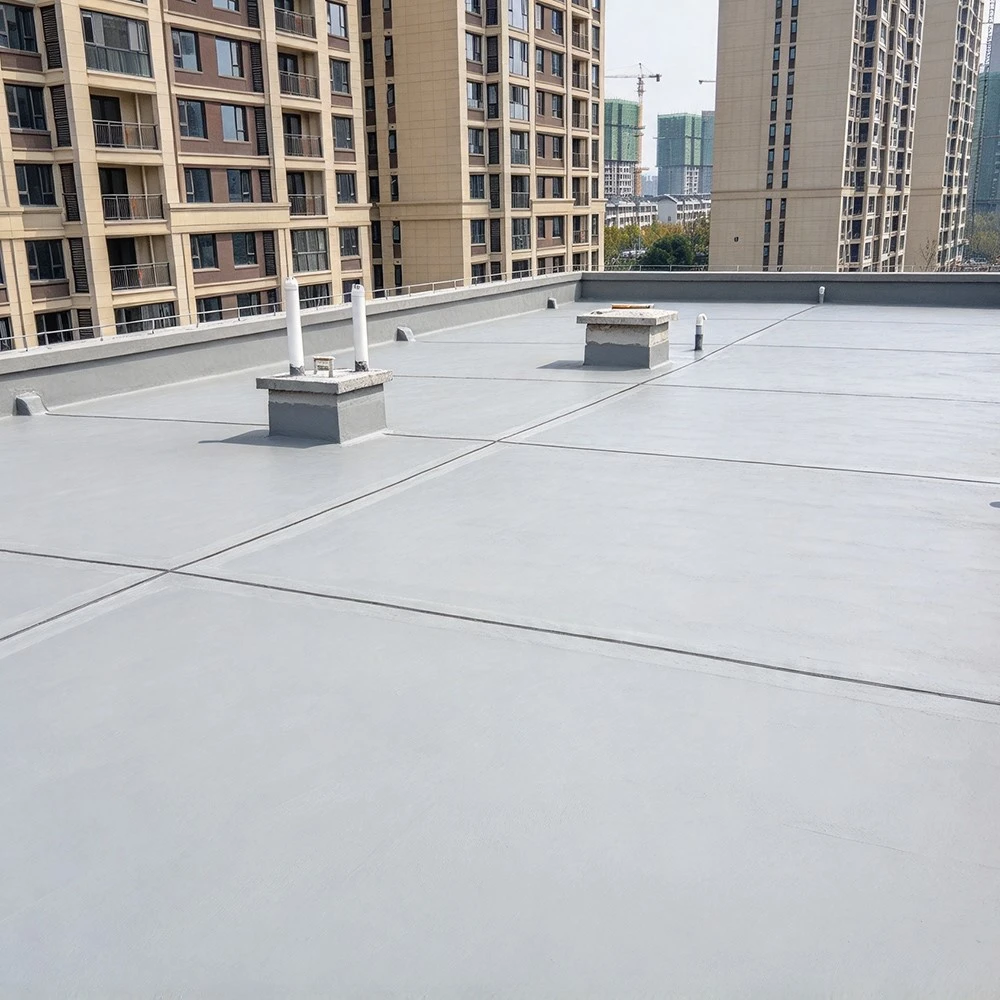
Building
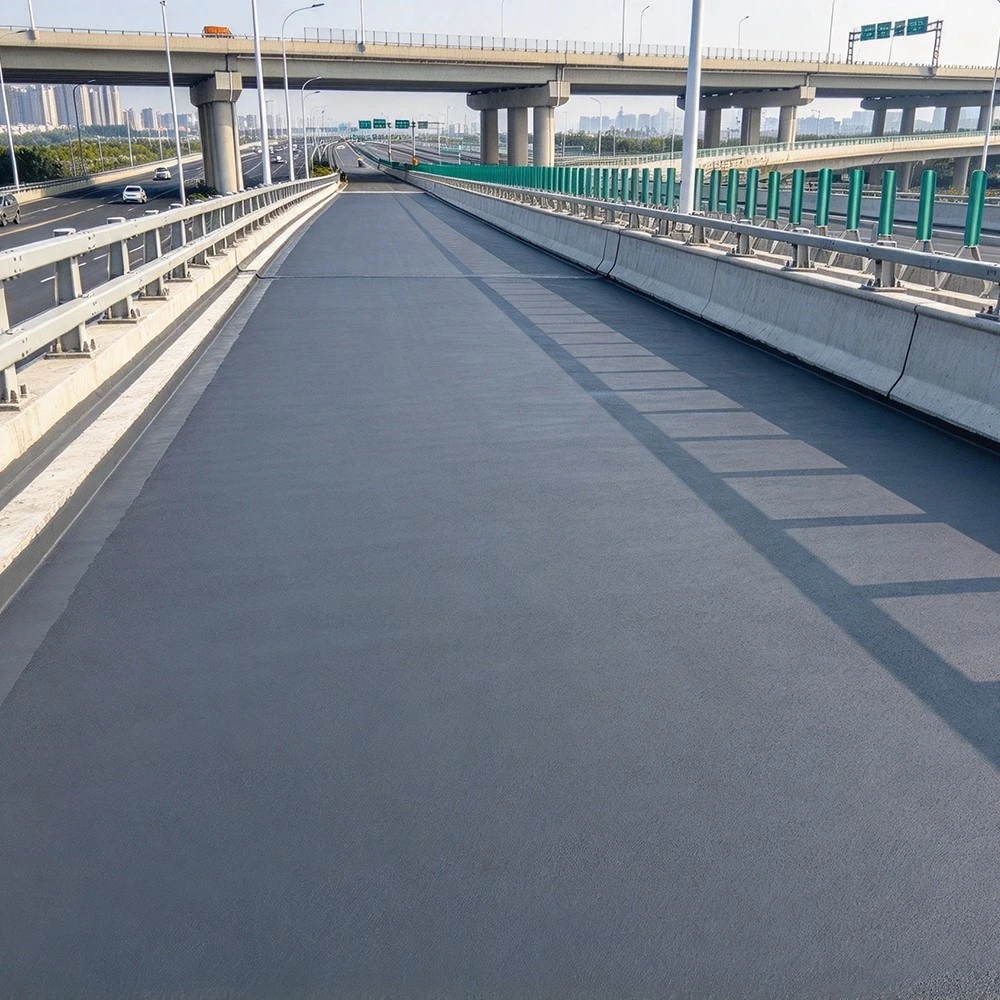
Bridge
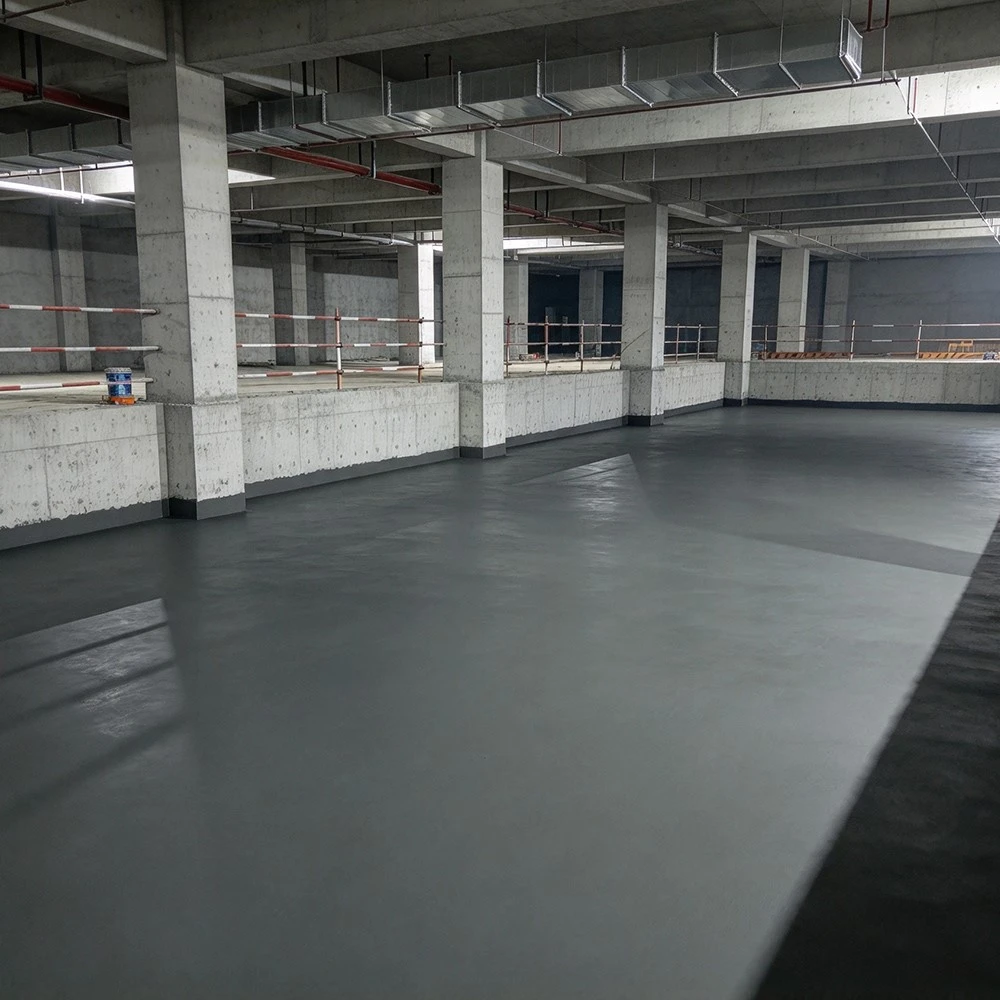
Basement
Usage Precautions
- Control composite/impregnation temperature according to the bitumen system. When compositing with hot asphalt or modified bitumen, control the asphalt temperature according to the process requirements to ensure thorough impregnation of the mat and tight bonding of the mesh. Too low a temperature leads to insufficient impregnation; too high a temperature affects material stability.
- Clean and dry substrate. Before on-site reinforcement, remove dust, oil, and loose materials. The substrate must be dry to ensure tight bonding of the composite layer.
- Ensure thorough impregnation and avoid white fibers. After compositing or impregnation, check for unimpregnated white areas. Re-impregnate or adjust the process where necessary; otherwise, weak interfaces will form.
- The 100 mm width is suitable for narrow reinforcement and seam reinforcement. For large-area full coverage, select wider specifications or overlap according to the waterproofing system design.
- Protect from moisture and prolonged sunlight during storage. Store rolls in a dry, ventilated place, away from rain and prolonged sunlight, to preserve the bitumen affinity of the polyester mat.
Product Components
The mat acts as a continuous base, providing high elongation, bitumen affinity, and impregnation channels.
The fiberglass mesh acts as the reinforcement skeleton, distributed at 0°, +75°, and −75° and embedded or composited into the mat, providing high strength and multi-directional dimensional constraint.
Quality Control
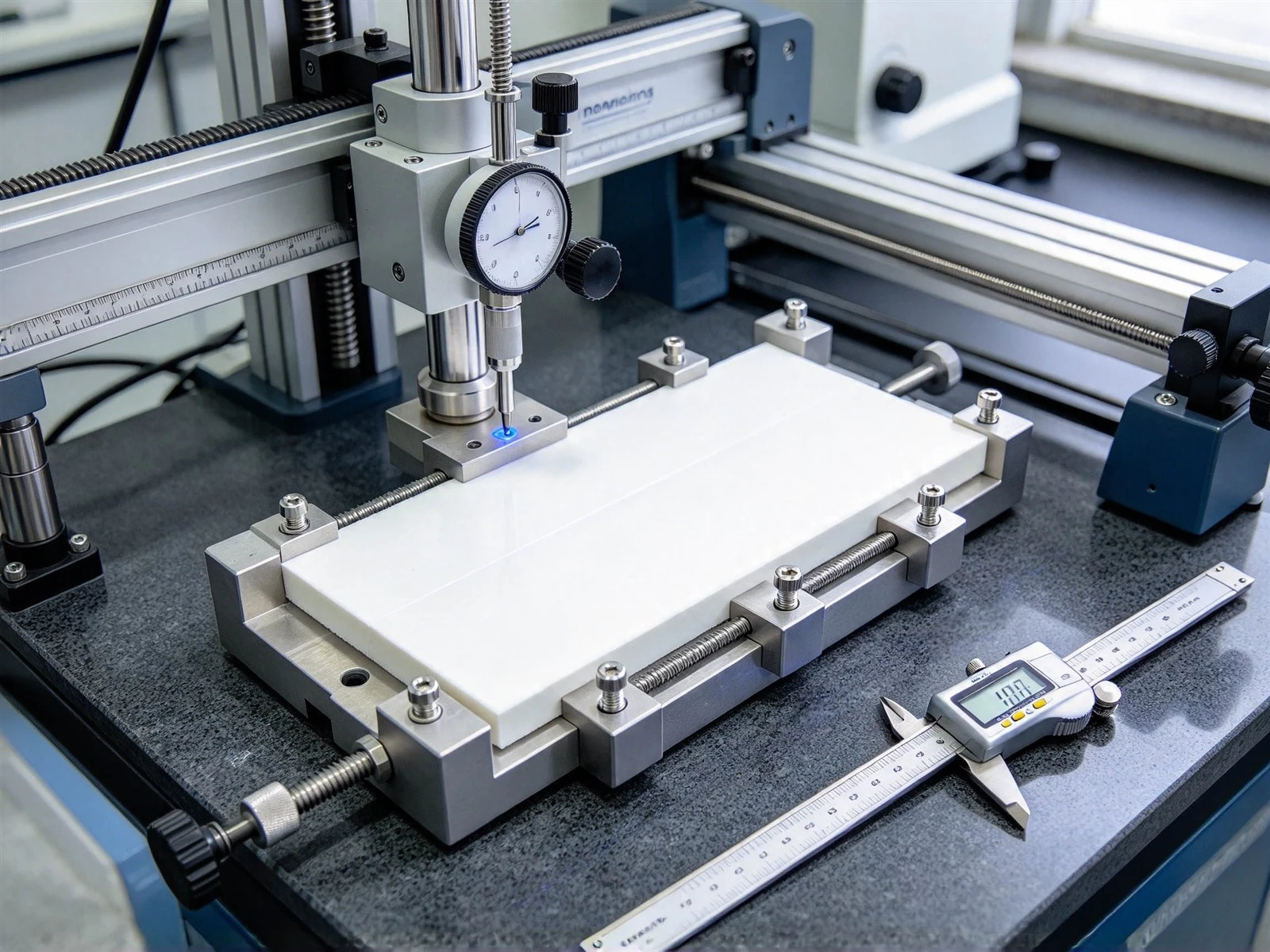
Mass per unit area, width (100 mm), appearance flatness, composite bonding (no delamination), mesh orientation and distribution uniformity
Tensile strength (MD/CD), elongation.
Bitumen impregnation (no visible white fibers), dimensional stability
Batch test report stating composite structure and width
Products Description
- Supplied in rolls, width 100 mm, roll length as agreed, wrapped in plastic film or bags.
- Each roll shall be marked with product name, specification, batch number, production date, and manufacturer.
- During transportation, place rolls horizontally and avoid throwing, compression, and puncture by sharp objects.
- Store in a dry, ventilated environment, away from rain and prolonged sunlight.
Differentiation
| Comparison |
Polyester Felt & Fiberglass Mesh Composite Fabric
|
| Pure polyester mat | The mat has high elongation and bitumen affinity but limited tensile strength and dimensional stability. This product introduces a tri-directional fiberglass mesh skeleton, offering higher strength and multi-directional deformation resistance while retaining the impregnation and conformability advantages of the mat. |
| Mesh Sizes | Biaxial mesh has high strength in MD/CD but lower modulus and higher elongation under diagonal loading. The 0°/+75°/−75° distribution extends reinforcement to more angles, preventing the diagonal direction from becoming a weak point. |
| Weight Range | This product emphasizes the dual-advantage composite of high-elongation mat and high-strength tri-directional mesh, balancing impregnation, dimensional stability, and multi-directional deformation resistance, outperforming single materials. |
The bitumen affinity and high elongation of the polyester mat, combined with the high strength and multi-directional dimensional stability of the tri-directional fiberglass mesh, form a waterproofing reinforcement composite that balances rigidity and flexibility, strengthens diagonal directions, and resists deformation and delamination.
FAQ
Q1: How is the mesh different from ordinary mesh fabrics?
A: Ordinary mesh fabrics are usually biaxial 0°/90°. The fiberglass mesh in this product is distributed at 0°, +75°, and −75°, extending reinforcement to diagonal angles and dispersing tensile and shear forces more evenly.
Q2: What is the practical significance of the tri-directional distribution?
A: During membrane winding, cutting, installation, and substrate deformation, forces are not always aligned with MD/CD. The tri-directional mesh provides fiberglass skeleton support in diagonal directions, reducing diagonal strain concentration and tearing risk.
Q3: What are the advantages over pure polyester mat?
A: Pure mat has high elongation and bitumen affinity but insufficient tensile strength and dimensional stability. This product incorporates a tri-directional fiberglass mesh skeleton, offering higher strength, better heat resistance against deformation, and higher reinforcement efficiency.
Q4: How to judge whether impregnation is sufficient?
A: After compositing, check for unimpregnated white areas. If present, re-impregnate or adjust the process.
Q5: This product has no adhesive backing. How is it fixed on-site?
A: It is designed to be used with hot-melt bitumen systems. On-site, apply or hot-melt a layer of bitumen-based material, and lay this product while it's still tacky, then roll it tightly. The mat rapidly absorbs the bitumen and cures in place. It integrates perfectly into "hot-melt full bonding" or "hot asphalt composite" processes.
Q6: Do you only have 100 mm width? We need it for full-roll waterproofing membranes. Do you have wider widths?
A: The 100 mm width is mainly for local reinforcement at seams and details. For large-scale production of modified bitumen membranes, we can provide customized wider widths such as 1m or 2m. Please contact sales with your specific web width requirements.
Q7: Can it improve the puncture or tear resistance of waterproofing membranes?
A: Yes. The polyester mat provides a good puncture-resistant base, while the tri-directional fiberglass mesh forms a strong load-bearing skeleton. The combination significantly improves the tear propagation resistance of the composite layer, preventing damage during construction traffic or minor substrate cracking.
Q8: What certificates do you have?
A: CE, SGS, and other certifications available upon request.
Q9: How long does delivery take?
A: Within 15–25 days for one 20' container.
Q10: Can you provide samples?
A: Yes, free samples available for quality evaluation.
Cooperation Process


Triaxial Polyester Felt & Fiberglass Mesh Composite Fabric: high tensile strength, excellent dimensional stability, and delamination-resistant – the ideal reinforcement composite for membrane production and multi-directional stress-dispersing in waterproofing systems.
Hot Tags: triaxial polyester felt & fiberglass mesh composite fabric, China triaxial polyester felt & fiberglass mesh composite fabric manufacturers, suppliers, factory, fibafuse joint tape, fibafuse max tape, fibafuse roll, fiberglass tissue tape, Glass Fiber Joint Tape, Paperless Drywall Tape
Send Inquiry
You Might Also Like